
Gout Diet
A gout diet is not about fear or extreme restriction. It is about understanding which foods and drinks may raise uric acid, what choices may support long-term health, and how diet can work together with medical care.
At Arthritis & Wellness Center in Corona, CA, Dr. Natalia Chavez Stewart helps patients understand gout, possible food triggers, uric acid levels, and treatment options with a clear, realistic plan.
What Is a Gout Diet?
A gout diet is a way of eating that helps you understand which foods and drinks may affect uric acid levels and gout flare-ups. It is not meant to be extreme or impossible to follow.
For many patients, the goal is to limit common triggers, stay well hydrated, support a healthy weight, and combine nutrition choices with the right medical care when needed.
Foods and Drinks to Limit with Gout
Some foods and drinks may raise uric acid or trigger gout symptoms in certain patients. Common items to limit may include beer and alcohol, sugary drinks, foods with high-fructose corn syrup, organ meats, red meat, and certain types of seafood.
Triggers can be different for each person. The goal is not to fear food, but to understand your body, notice patterns, and make realistic choices that support long-term joint health. For more details, read our guide on foods to avoid with gout.
Foods That May Support a Gout-Friendly Diet
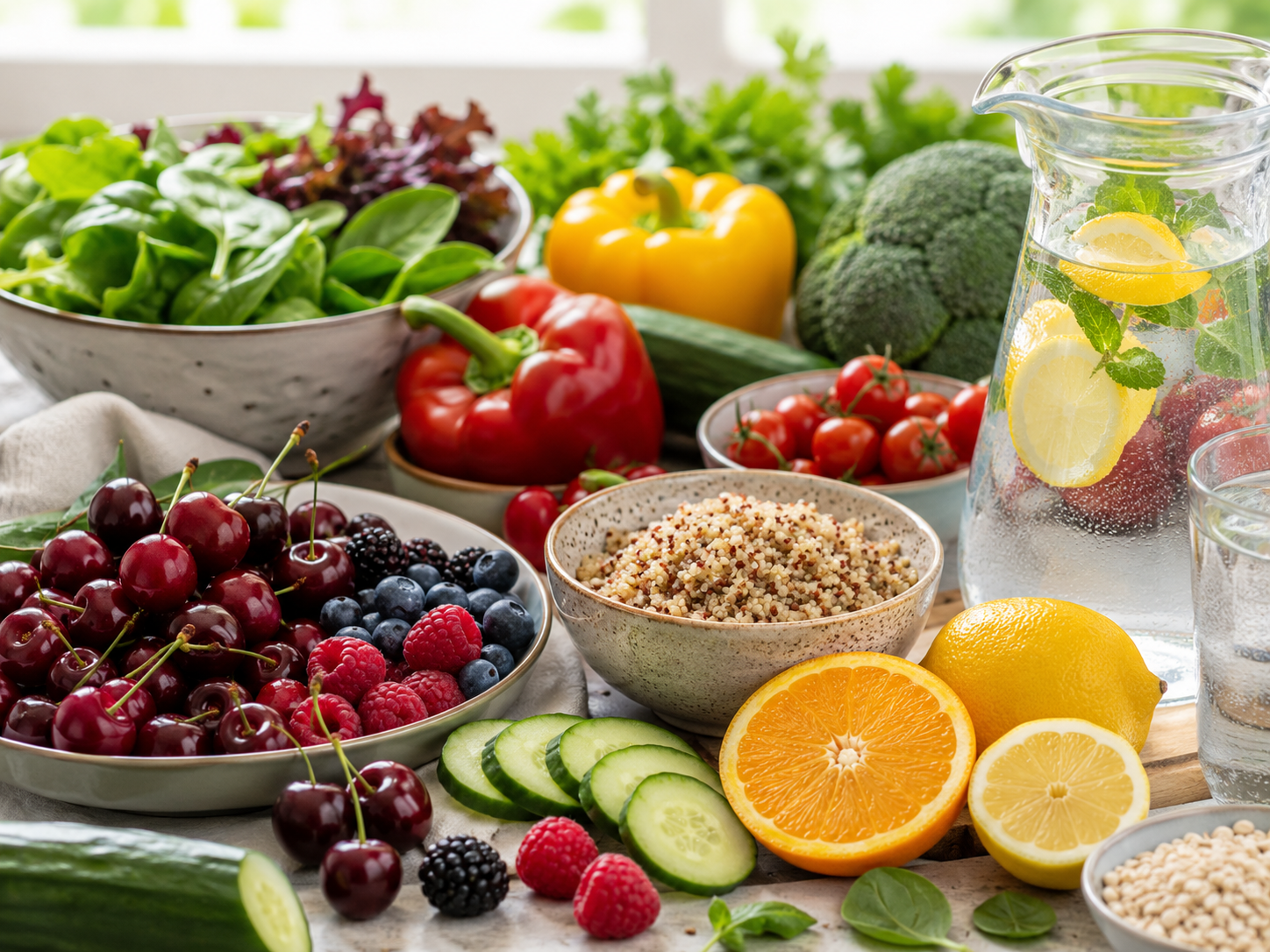
A gout-friendly diet often focuses on simple, balanced choices. Many patients benefit from drinking more water, eating more fruits and vegetables, choosing whole grains, and selecting lean or lower-fat protein options when appropriate.
The best plan is one you can actually follow. Small, consistent changes are usually more helpful than extreme restrictions that are hard to maintain.
Hydration, Weight, and Lifestyle Habits
Daily habits can also play an important role in gout care. Staying well hydrated may help support uric acid management, and working toward a healthy weight may reduce stress on the joints and support overall health.
Lifestyle changes should feel realistic, not overwhelming. Dr. Natalia Chavez Stewart helps patients understand how food, hydration, weight, medication, and uric acid levels may work together as part of a complete gout care plan.
When Diet Is Not Enough
Diet can support gout management, but it may not be enough by itself, especially if flare-ups keep returning or uric acid levels remain high.
Some patients need medication, uric acid monitoring, and a long-term plan to help reduce future flares and protect joint health. A rheumatology evaluation can help determine what type of care may be right for you.
Gout Care in Corona, CA
Arthritis & Wellness Center provides gout care for patients in Corona, CA and nearby communities, including Temescal Valley, Norco, Eastvale, Riverside, Chino, Chino Hills, and the Inland Empire.
Dr. Natalia Chavez Stewart offers clear, bilingual rheumatology care to help patients understand gout triggers, uric acid, flare-ups, and treatment options with a plan that feels personal and realistic.
Frequently Asked Questions About Gout Treatment
This is a heading
A gout diet is a way of eating that may help support uric acid management and reduce possible gout triggers. It usually focuses on limiting certain foods and drinks, staying hydrated, and making balanced choices that support long-term health.
Get Clear Answers for Gout
If you are trying to understand what to eat, what to limit, or how diet connects with gout flare-ups and uric acid, you do not have to figure it out alone. At Arthritis & Wellness Center in Corona, CA, Dr. Natalia Chavez Stewart provides warm, bilingual rheumatology care to help you create a clear and realistic gout care plan.